Yorkshire · 1812
The Story
Yorkshire, 1812. Lucien Varenne arrives in England posing as a French émigré. In truth, he is a three-thousand-year-old enforcer for the Crimson Court, sent to locate and assess the last surviving descendant of an ancient witch bloodline.
He finds Eliza Caven. Twenty-seven years old, a practical village governess, and a woman who sees the world with unnerving clarity. As they walk the frost-bitten moors, Lucien realises Eliza is not a threat to be managed, but the key to a forgotten covenant.
But the Crimson Court does not forgive — and Lucien must decide whether to maintain the cold certainty of his immortal existence, or risk everything for a mortal life he never believed possible.
A Note on the World
The Characters
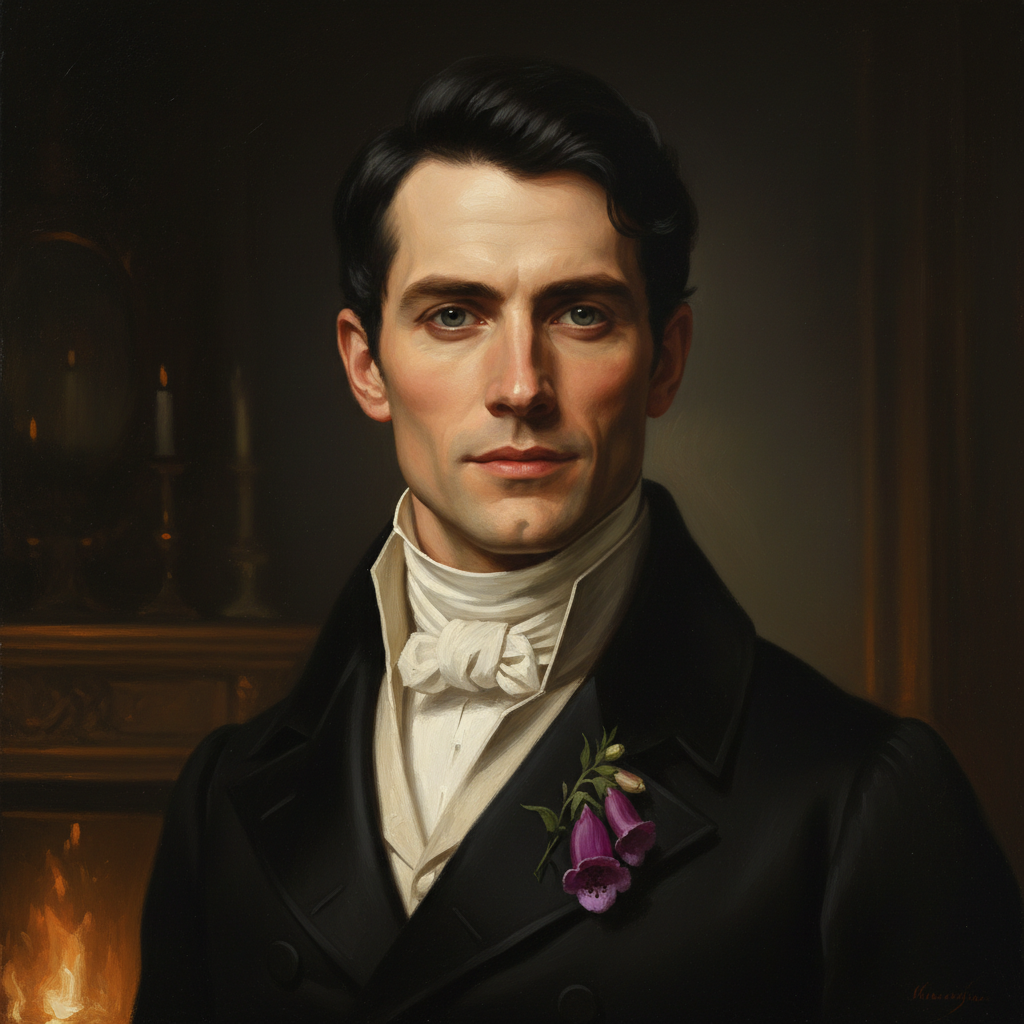
Lucien Varenne
Like someone who has been waiting so long he's forgotten what he's waiting for.
Three thousand years old. An enforcer of the Crimson Court. He has watched empires rise and fall, and has never, until Yorkshire, been seen.
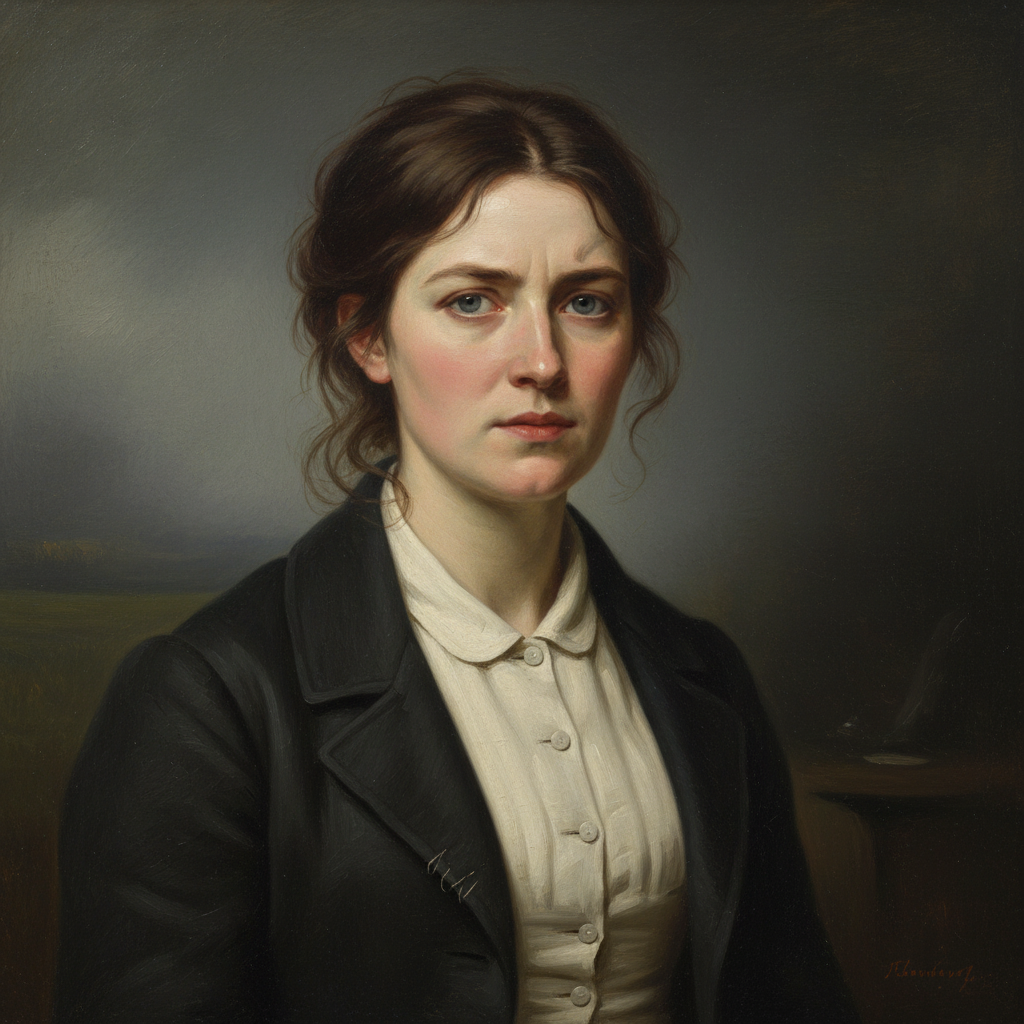
Eliza Caven
A woman the world had decided not to notice — until something noticed her back.
Twenty-seven. A village governess. The last surviving descendant of a bloodline she does not yet understand, and the first person in three millennia to look Lucien in the face and recognize what she saw.
An Excerpt
From the night they met properly, at the Whitmore harvest supper.
He was already there when she arrived. Standing by the fireplace, in conversation with Mr. Whitmore, holding a glass of wine he had not touched. She knew he had not touched it because she checked when she entered the room, and checked again an hour later, and the level in the glass had not changed.
He found his way to her after supper, in the manner of a man who has planned a thing but intends it to appear accidental. She found this faintly entertaining.
"Miss Caven," he said, which established that he had enquired after her name.
"Monsieur Varenne," she said, which established that she had enquired after his.
A small symmetry. They both noted it.
"You have been walking the moors every morning," she said. "I've seen you from the lane."
"And I have seen you in your kitchen garden." A pause. "Your plants are remarkable."
She looked at him directly. "Yes. They are. I've been trying to understand why for some years."
Something shifted in his face — almost nothing, almost nothing at all. The slight compression of a person who has been surprised.
"And have you arrived at a theory?"
"Several," she said. "None of them satisfy me. You?"
The pause this time was longer. She let it be long. She did not, she had discovered across years of conversations that men found unsettling, feel any particular obligation to fill silences.
"I have theories about many things," he said at last. "Fewer answers than I would like."
"Three thousand years," she said, without knowing she was going to say it.
The glass almost left his hand. Almost. He caught it with a precision so absolute it was itself a tell. No human reflex was that controlled.
"I beg your pardon?" he said, very quietly.
She did not know where the words had come from. They had arrived in her mouth from somewhere below conscious thought, from the same place the herb-knowledge came from, the same deep wordless intelligence that told her which plants were dangerous before she had read it in any book. She did not understand them. But she believed them.
He looked at her for a long moment. The fire behind him was very bright. His face in the light of it was — she searched for the word — composed. Composed in the way of a thing that has been assembled with great care and has held its shape for a very long time.
"You are a very unusual woman, Miss Caven."
"So I have been told," she said. "Generally not as a compliment."
Something happened to his mouth. It wasn't quite a smile — more the shadow of what a smile might look like on a face that had largely given up that form of expression. But it was something.
"I intend it as one," he said.
"Good," she said. "Then we're off to an honest start."
— from The Mortal Crystalline
A Theme Song
Caribbean Blue
by Enya · the song that lived in the room while this book was being written
Listen on SpotifyAvailable June 9, 2026
Pre-Order The Mortal Crystalline
The ebook is available for pre-order today across every major retailer. Print and audio formats arrive at launch.
One link, every retailer — Amazon Kindle, Apple Books, Barnes & Noble, Kobo, Google Play, and more.
Stay In Touch
Get an Advance Copy
Free advance copies are available to readers willing to post an honest review on launch day. Quiet updates from the writing desk to follow.